

Employer's Guide to Mental Health
All of us witnessed demonstrations and civil unrest, economic uncertainty, unprecedented levels of unemployment, election year acrimony, social isolation, and...
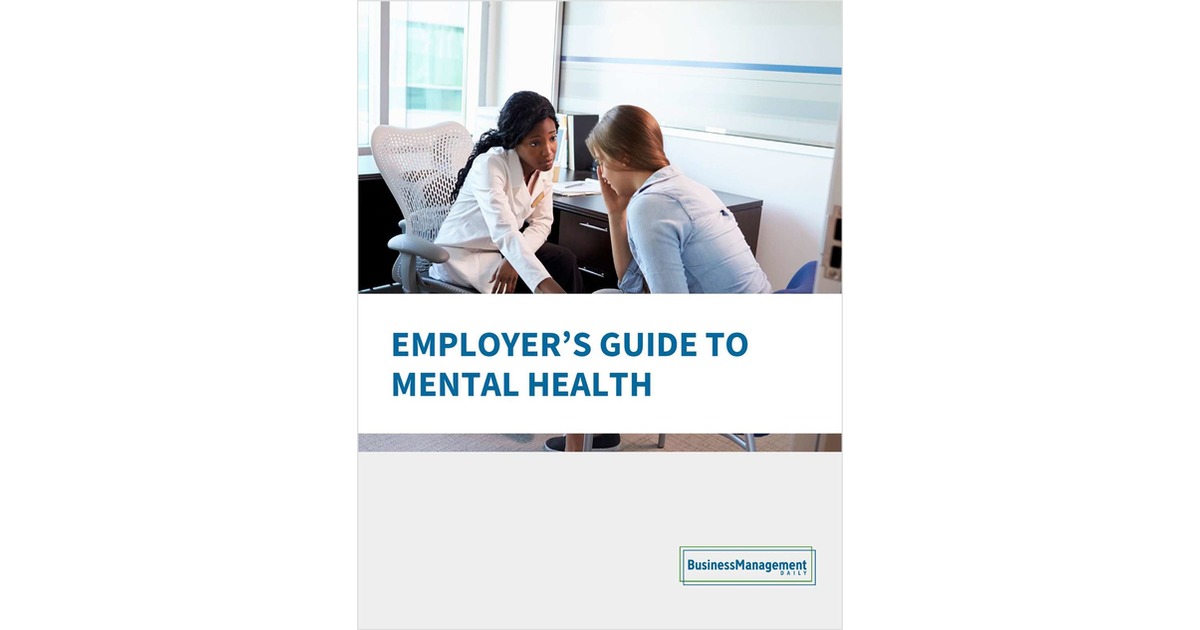
Executive Abstract
The American Hospital Association estimated that nearly 60% of U.S adults with such conditions never received treatment because many communities experienced shortages and waiting lists for therapists. One McKinsey survey found that 90% of surveyed employers felt the COVID-19 crisis was affecting the behavioral health of their workforce. 2020 also brought about an increase in alcohol use and abuse as well as spikes in illegal substance abuse and deaths from overdoses. Because of these trends and others like them, it’s no wonder why many experts have labeled our current situation a mental health crisis.
Effectively addressing the impact of this mental health crisis will require comprehensive strategic actions on the part of many organizations and agencies, including employers. For employers to do it well, Human resources and employee benefits professionals will need to lead the way. To prepare for a challenge of this magnitude, you must first understand the role employers can play in addressing mental health, and how to identify some common signs of poor mental health.
Unlock Report Access
Complete this brief form for instant PDF access.
Related Executive Research
 eBook
eBook
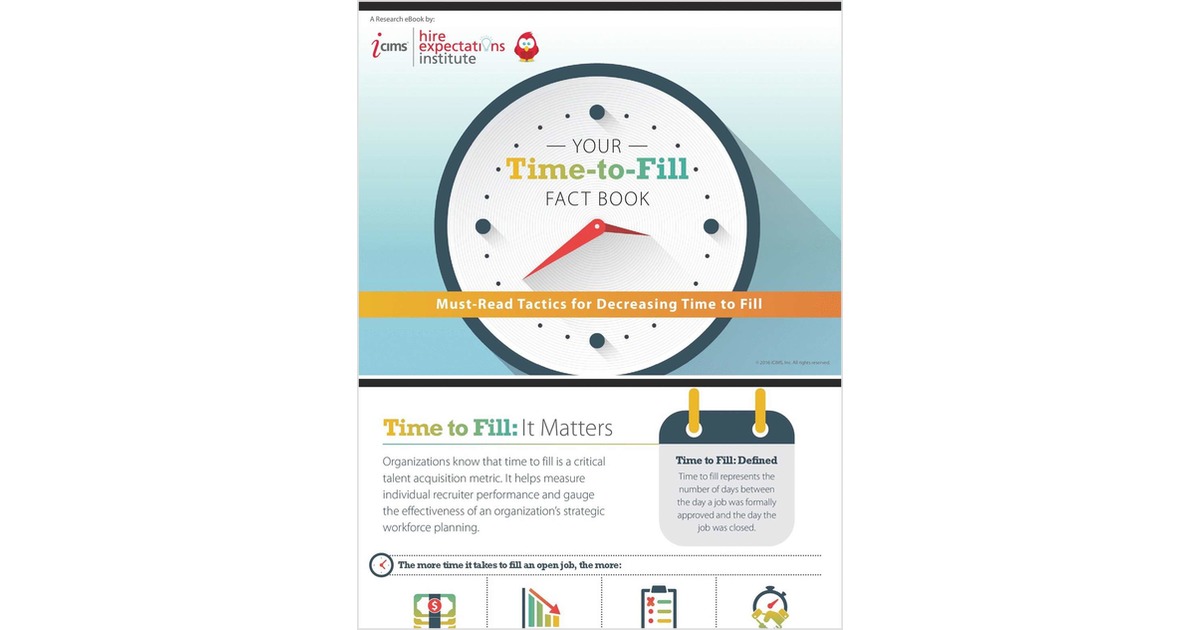
Time-to-Fill Fact Book
Employers estimate that, on average, they lose more than $14,000 for every job that stays vacant for three months or longer. To be a competitive recruiter, you...
 Guide
Guide
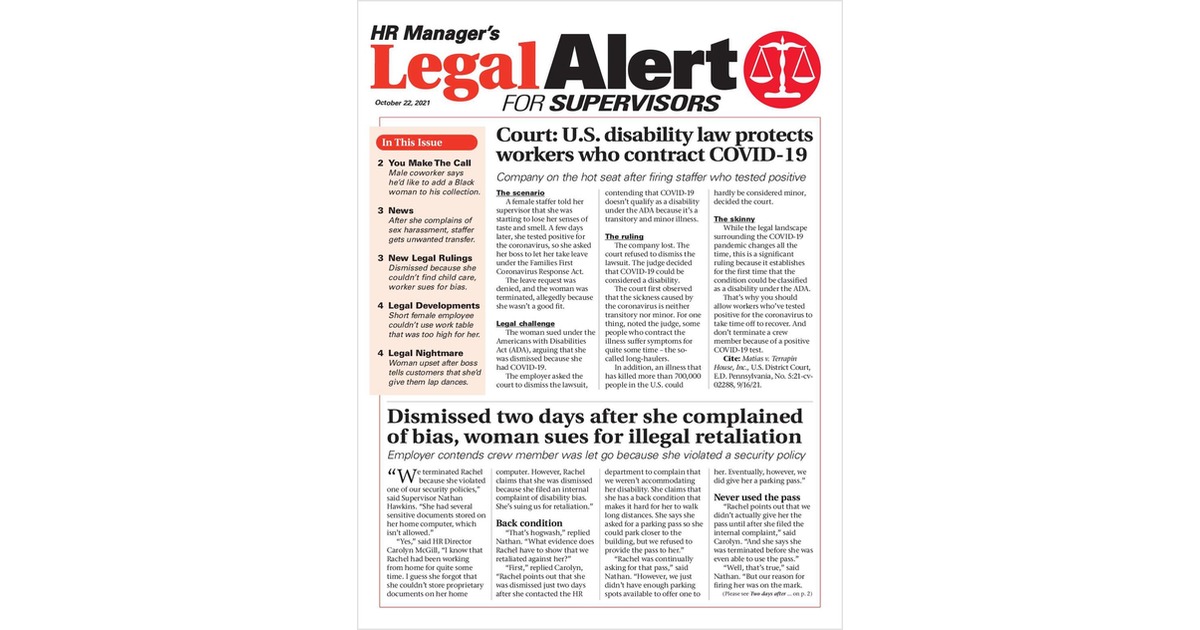
HR Manager's Legal Alert for Supervisors Newsletter: October 22 Edition
Download the current issue of HR Manager’s Legal Alert for Supervisors now! For a limited time, you – and your supervisors – can start benefitting from t...
 eBook
eBook
ABC: Always Be Compliant
Five best practices to avoid fines and simplify Your Form I-9 Process Failure to complete the Form I-9 correctly can lead to hefty fines, massive indirect cost...